
Airport Communication Systems: Ensuring Safety and Efficiency
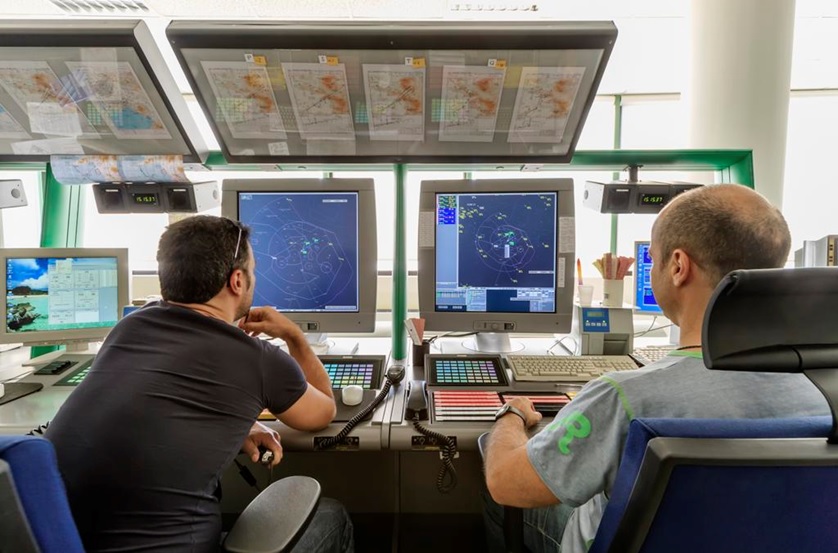
Airport communication systems are the backbone of modern aviation, enabling the smooth and safe operation of air travel. These systems facilitate critical interactions between various stakeholders, including air traffic controllers, pilots, ground staff, and airline personnel. Understanding the components, technologies, and significance of airport communication systems is essential for appreciating their role in maintaining the efficiency and safety of the aviation industry.
Components of Airport Communication Systems
Airport communication systems comprise several interrelated components that work together to ensure seamless information flow:
- Air Traffic Control (ATC) Communication: The most important of all the sub-systems is the ATC communication system that is used to facilitate the communication between the air traffic controllers and the pilots. It ensures that aircraft are flown safely in Civilized airspace, in the take-off, landing, and while in the en route phase. More info here.
- Ground Communication Systems: The above systems enable the interaction among the ground crew employees such as ramp employees, loaders/doormen, baggage handlers, aircraft maintenance personnel, and airport integrated services departments. They are critical in the organization of ground activities and managing of turnaround of aircraft.
- Terminal Communication Systems: Terminal C communications encompass the communication systems within terminals, such as Public Address Systems, Flight Information Display Systems (FIDS), and Emergency Warning Systems; among others. By them, passenger traffic is regulated, and important information is provided.
- Airline Communication Systems: Airline operational communication involves the use of organizational communication networks for scheduling flight crews, gate assignments, and customer relations. They help maintain that the operations of the airline are correct and accurately managed.
- Security Communication Systems: Airport security therefore calls for Effective communication networks employed in security operations to include security personnel, surveillance equipment, and response. These systems are important for the safety and security of passengers and subordinates in trains and stations.
Technologies in Airport Communication Systems
- VHF and UHF Radios: Access to VHF and radios high frequency and UHF are commonly used in the facility of ATC communications. These offer reliable voice communication between pilots and controllers to relay information of good quality and details.
- Data Link Communication: Some of these are text-based data link communications such as the Controller-Pilot Data Link Communications (CPDLC). It also removes the clutters that are usually characteristic of the radio while at the same time improving the efficiency of the communication.
- Voice Over Internet Protocol (VoIP): VoIP technology is increasingly used in airport communication systems to provide high-quality voice communication over digital networks. It offers flexibility and scalability, essential for modern airports.
- Integrated Communication Platforms: Modern airports often use integrated communication platforms that combine voice, data, and video communication into a single system. These platforms enable seamless interaction among different stakeholders and improve operational coordination.
- Mobile Communication Devices: Smartphones, tablets, and other mobile devices equipped with specialized applications are widely used by airport staff to communicate in real time, access information, and coordinate tasks.
Benefits of Airport Communication Systems
- Enhanced Safety: Standard and effective communication is crucial to ensure one’s safety in aviation. Communication from ATC systems avoids obscurity and guarantees that an aircraft is functioning within safety limitations. Ground communication systems play a crucial role in preventing such mishaps on the tarmac occasioned by poor or no communication.
- Operational Efficiency: Effective communication can lead to great organizational coordination of various departments within the airport leading to eradication of congestion. Since ground staff is more approachable and easily contactable, changes in the plan can be responded to faster, which reduces the turnaround time of an aircraft and possible disruptions.
- Improved Passenger Experience: Through these terminal communication systems there is the provision of timely information on flight time changes and new gates among others. PA systems and FIDS enhance the passengers’ way of finding around the airport besides minimizing stress levels experienced.
- Cost Savings: Such as removing bottlenecks in the processes and improving time-handling, communication technologies yield a positive impact on airline and airport operators’ financials. This results in reduced operational costs, that is, the efficient use of resources enhances productivity.
- Security and Emergency Management: This is because; there is a need for well-established communication networks for security coordination during disasters. Prompt and timely flow of information increases the capability to respond to various occurrences hence improving general security and safety.

Challenges in Airport Communication Systems
- Interference and Congestion: There is always a problem with radio frequency interference and congestion which could confuse easily and delay. It is and remains a task to make sure the control channels that exist are crystal clear and dependable.
- Technology Integration: Systems are usually old and new, which means that integrating the two is not always easy. This is perhaps the reason why call interoperability between different systems is important for proper communication. Read https://www.criticalcommunicationsreview.com/ccr/other-news/113626/airbus-highlights-4-most-common-challenges-in-airport-communications as an example.
- Security Vulnerabilities: Such communication systems are on the list of possible threats from cybercriminals. Protecting the communication infrastructure is critical to avoid anyone’s meddling in the communication network system.
- Scalability: This implies that as the airports expand or manage higher traffic, so too must the means of communication grow. The other major difficulty is improving the quality and capacity of the infrastructure where there is no intent to halt production.
Future Trends in Airport Communication Systems
- Next-Generation ATC Systems: The implementation of NextGen air traffic control systems aims to modernize ATC communication, incorporating satellite-based navigation, data link communication, and advanced automation to enhance safety and efficiency.
- Artificial Intelligence and Automation: AI and automation are poised to revolutionize airport communication. AI can assist in managing communication traffic, predicting operational issues, and optimizing resource allocation.
- 5G Technology: The deployment of 5G networks will significantly enhance communication capabilities, providing faster, more reliable connections. This will benefit all aspects of airport operations, from ATC to ground services.
- Internet of Things (IoT): IoT technology will enable real-time monitoring and communication between various airport systems and devices. Smart sensors and connected devices will improve operational efficiency and enhance passenger experiences. Visit this site for more details.
Conclusion
Airport communication systems are the lifeline of the aviation industry, ensuring safety, efficiency, and seamless operations. With advanced technologies and continuous innovation, these systems will evolve to meet the growing demands of modern air travel. By addressing current challenges and embracing future trends, airports can enhance their communication infrastructure, providing a safer and more efficient environment for passengers and staff alike.