How Movement Apps Can Integrate Prop Based Drills Without Replacing Instructors
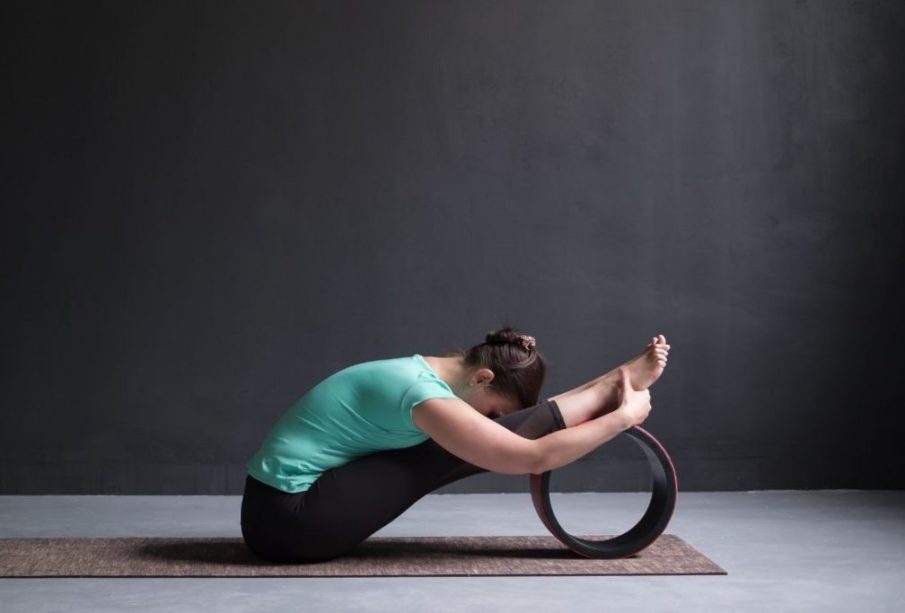
Movement apps have made wellness more accessible, but they also face a challenge: how to guide users safely when props and complex movement patterns are involved. A yoga wheel can be useful for mobility and backbend work, but app-based drills should be designed carefully. Technology can support learning, but it should not pretend to replace skilled instruction. Prop-based practice requires awareness, alignment and individual adjustment. An app can demonstrate exercises, provide reminders and help users build consistency. However, it cannot fully observe how someone is moving, breathing or compensating. The best digital approach is to complement teachers, not remove them from the process.
Why prop-based drills need caution
Props change the way the body interacts with a posture. A wheel may support the spine, open the chest or assist a backbend. But if used carelessly, it may also encourage students to go too deep, collapse into the lower back or ignore discomfort. Apps must therefore present prop-based drills with clear safety cues. They should explain who the drill is suitable for, how to set up, what sensations are expected and when to stop. Without this guidance, users may misunderstand the purpose of the movement.
What apps can do well
Movement apps are useful for structure and consistency. They can remind users to practise, organise short sessions, provide video demonstrations and track progress. For simple prop drills, they can help users remember sequences taught in class. Apps can also support education by explaining why a prop is used. For example, a wheel drill may be described as supporting upper back mobility rather than forcing a dramatic backbend.
Helpful app features for prop-based practice
A responsible movement app may include:
- Clear setup instructions
- Multiple camera angles
- Safety warnings
- Beginner, moderate and advanced variations
- Breath cues
- Short practice timers
- Reminders to seek teacher guidance for complex movements
These features improve safety and usefulness.
The limits of video guidance
Video cannot fully personalise movement. A user may think they are copying a posture correctly while actually placing pressure in the wrong area. They may not notice that the breath is strained or that one shoulder is compensating. This is why instructors remain important. Teachers can observe, adjust and explain in real time. Apps should encourage users to learn complex prop work in guided settings before practising independently.
Integrating teacher-led content
One of the best ways for apps to handle prop-based drills is to include teacher-led content. Instructors can explain alignment, common mistakes and suitable modifications. This gives the app more credibility. Apps can also connect users to studios or live sessions. This creates a bridge between digital convenience and human instruction.
Progress tracking without pressure
Apps often track streaks, minutes and completion rates. These can motivate users, but they can also create pressure. In prop-based yoga, quality matters more than quantity. A user should not push into wheel drills just to maintain a streak. Apps should encourage mindful progress. They might ask users to rate comfort, breath and control rather than only completion.
Safety prompts and self-checks
Self-check prompts can help users practise more responsibly. An app may ask: Can you breathe comfortably? Do you feel pressure in the lower back? Are your shoulders relaxed? Do you need a smaller range? These prompts encourage internal awareness, which is central to yoga.
Supporting studio learning
Apps can be useful between studio classes. A student may learn wheel work with a teacher, then use an app to remember safe drills at home. This reinforces learning without replacing instruction. A studio such as Yoga Edition can support this blended approach by offering guided prop-based classes while students use digital tools for supplementary practice.
Responsible technology in movement education
The future of wellness technology should not be about removing teachers from complex practices. It should be about making learning more accessible while respecting the limits of self-guided movement. Movement apps can integrate prop-based drills effectively when they prioritise safety, clarity and humility. The app should guide, remind and educate. The instructor should remain the source of personalised correction and deeper learning.
Technology as a support, not a substitute
Prop-based yoga can be valuable, but it needs care. Apps can help students practise more consistently, but they cannot replace the eye, experience and judgement of a teacher. A thoughtful digital platform recognises this. It uses technology to support better habits while encouraging students to seek guidance when needed. That balance protects the practice and helps users move with more confidence.